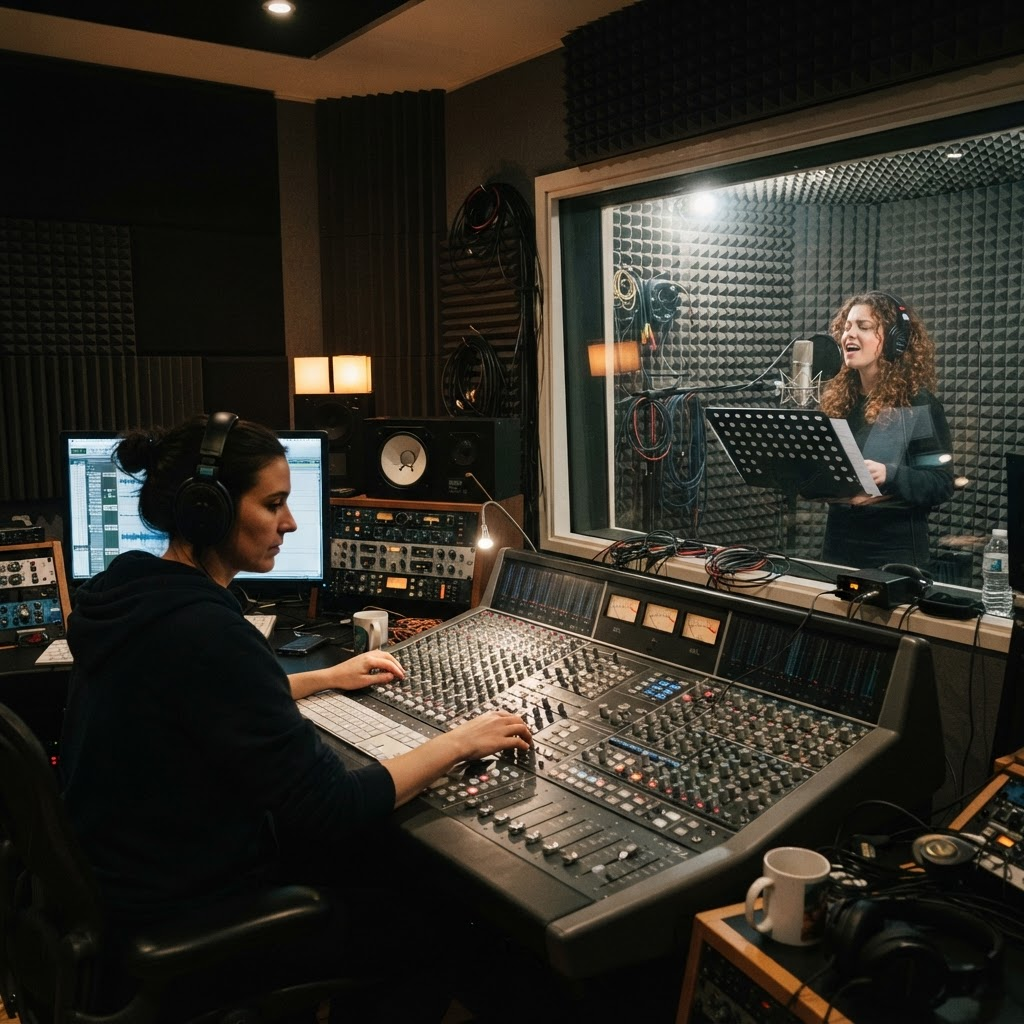
Setting Up Your Home Recording Studio
Building a home recording studio doesn't require massive investment or professional space. With smart choices and proper setup, you can create a professional-quality recording environment in your bedroom, basement, or spare room. Here's everything you need to know.
1. Choose Your Space Wisely
Avoid rooms with parallel walls, which create flutter echo. Smaller rooms are often better than large ones—they're easier to treat acoustically. Choose a quiet room away from traffic noise, HVAC systems, and external sounds. If noise is unavoidable, plan extra acoustic treatment.
2. Essential Equipment
A basic home studio requires:
- Computer with adequate processing power
- Audio interface (USB or Thunderbolt)
- Studio monitors or quality headphones
- Microphone with pop filter
- XLR cables and mic stand
- DAW software
- Plugins and virtual instruments
3. Acoustic Treatment
This is where most home studios fail. Bare rooms sound terrible for recording. Invest in acoustic panels for wall treatment, bass traps for corners, and bass superchunks to control low frequencies. You don't need expensive materials—strategically placed blankets, curtains, and foam can work effectively.
4. Microphone Selection
Don't scrimp on microphones. A good microphone can last decades and significantly impacts quality. Large-diaphragm condensers are versatile for vocals and instruments. Consider USB mics for simplicity or XLR mics for professional quality and flexibility.
5. Monitoring Setup
Accurate monitoring is crucial. Position monitors at ear level in an equilateral triangle from your listening position. Treat your sweet spot with absorption to minimize reflections. At minimum, listen on headphones too to verify mixes translate.
6. Cable Management
Proper cables reduce noise and interference. Use balanced XLR cables for audio connections, quality USB cables for interfaces, and power conditioners to protect equipment. Good cable management also makes troubleshooting easier.
7. Software and Plugins
Choose a DAW that fits your workflow and budget. Options range from free (Reaper trial, GarageBand) to premium (Pro Tools, Logic Pro). Build a plugin collection strategically—you don't need hundreds, just essential tools: compressor, EQ, reverb, and delay.
Budget Considerations
Start at $500-1000 for a basic setup and expand gradually. Prioritize:
- Good microphone ($200-500)
- Quality audio interface ($150-300)
- Acoustic treatment ($200-400)
- Headphones ($100-200)
- Cables and accessories ($50-100)
A professional home studio is absolutely achievable. Start with quality fundamentals, add gear gradually, and focus on skill development. Many Grammy-winning albums have been recorded in home studios. What matters most is your dedication and technique.
Tech Expert
Audio engineer specializing in home studio setup and optimization.