Top 10 Mixing Mistakes to Avoid
Professional mixing is a skill developed over years of practice. While there's no single "right" way to mix, there are definitely common pitfalls that can derail even talented producers. Here are the top 10 mixing mistakes we see—and how to avoid them.
1. Poor Monitoring Environment
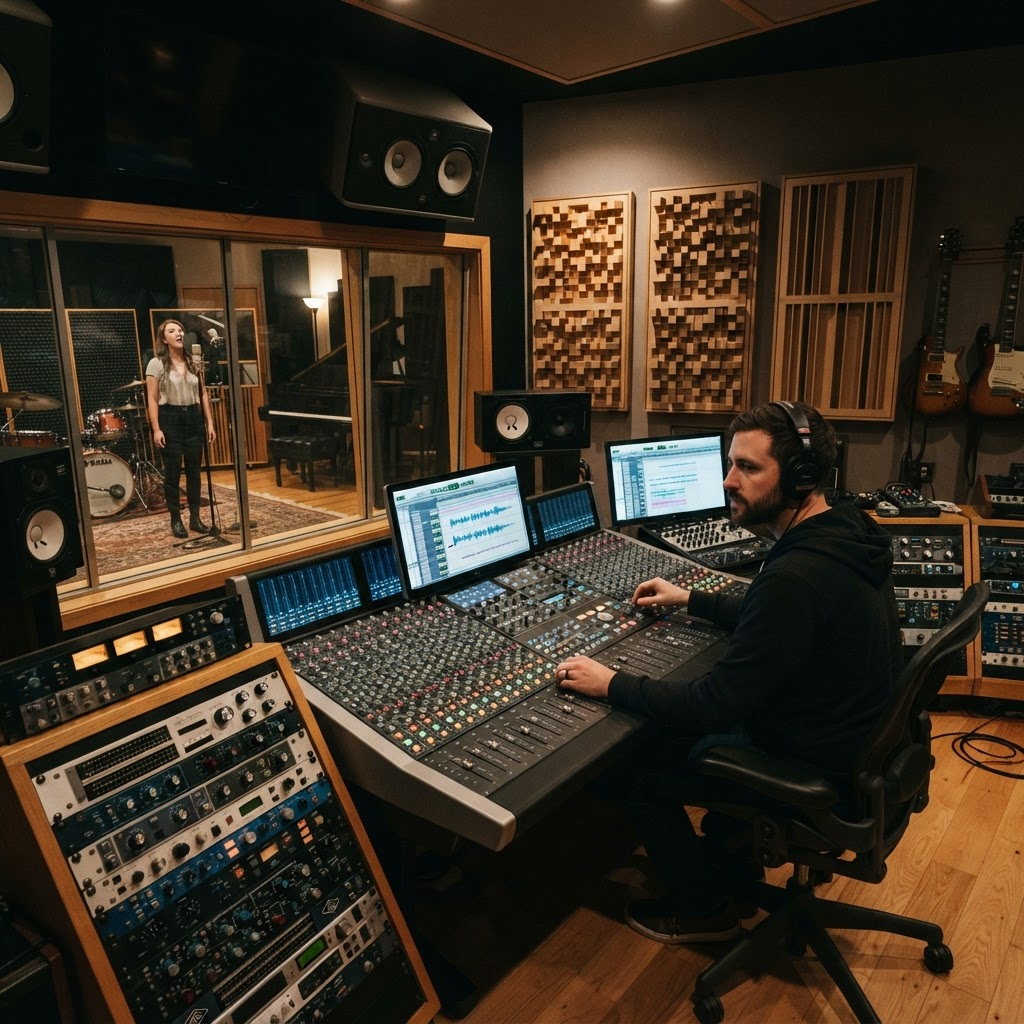
Your mixing decisions are only as good as your speakers and room acoustics. Untreated rooms with poor monitors lead to mixes that don't translate. Invest in quality monitors and at minimum treat your listening area with bass traps and absorption panels.
2. Mixing Too Loud
Our ears compress at high volumes, making bad mixes sound better than they are. Mix at 85dB or lower. This moderate level allows you to hear problems more clearly and make better balance decisions.
3. Over-Processing Vocals
Vocals are central to most modern music. Resist the urge to over-EQ, over-compress, or over-effect them. Often, subtle processing sounds better than aggressive treatment. Remember: less is more.
4. Neglecting Reference Tracks
Professional mixers A/B test against reference tracks constantly. Choose commercially mixed songs in your genre and compare. This keeps your mix grounded in professional standards.
5. Ignoring Phase Relationships
Phase cancellation can weaken mixes significantly. When stacking similar instruments or using parallel compression, monitor for phase issues. A phase meter is an invaluable tool.
6. Automating Too Much
Automation is powerful, but over-automation makes mixes sound unnatural and fatiguing. Use automation to serve the song, not to showcase your technical skills.
7. Poor Drum Editing
Sloppy timing in drums is immediately noticeable. Invest time in careful drum editing and quantization. This foundation makes everything else easier to mix.
8. Skipping EQ and Using Only Volume
Volume alone rarely solves mix problems. Strategic EQ can solve frequency conflicts, enhance clarity, and add character. Learn to use EQ as a primary mixing tool.
9. Not Taking Breaks
Ear fatigue makes you make worse decisions. Step away regularly. Fresh ears are invaluable for spotting problems and making objective decisions.
10. Mixing Exclusively on Headphones
While headphones are useful for detail work, relying on them exclusively leads to mixes that don't translate. Always mix on studio monitors and verify on multiple playback systems.
Mixing is a craft that improves with practice and intentional focus on fundamentals. By avoiding these common mistakes, you'll take a significant step toward professional-quality mixes.
FunGab Team
Professional mixing engineers sharing best practices and industry insights.