When Should I Start Singing Songs?
This is a question we hear frequently from aspiring singers: "Am I ready?" The answer is more nuanced than you might think. Your readiness depends on several factors beyond just talent.
Vocal Fundamentals First
Before you start singing publicly, ensure you have solid vocal fundamentals. This doesn't mean you need to sound like a professional—it means you should have:
- Proper breath support and control
- Basic understanding of pitch accuracy
- Knowledge of healthy vocal techniques
- Confidence in your vocal range
- Ability to sustain notes without strain
Build Your Confidence
Confidence is crucial. Start by singing for friends and family in informal settings. Perform at open mics, local events, or YouTube. These low-pressure environments help you build stage presence and emotional resilience. Each performance makes the next one easier.
Invest in Quality Recording
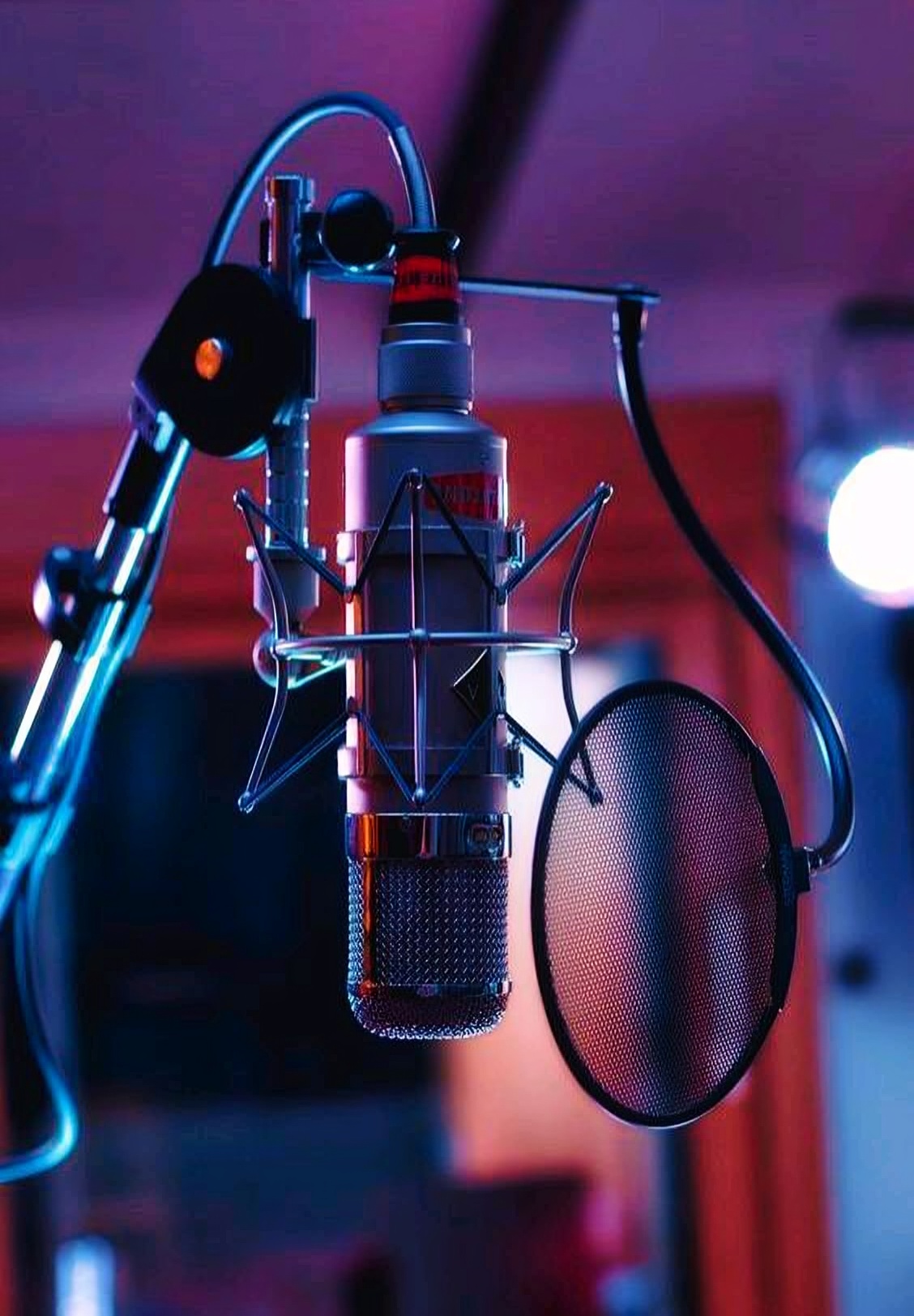
Your first official recordings should be professional. A quality recording isn't just about technical excellence—it's about representing your artistry properly. Whether it's a single or EP, invest in professional production that showcases your voice at its best.
The Right Age
Contrary to popular belief, there's no "right" age to start. Artists have found success starting at 16, 25, 35, and beyond. What matters is your commitment to your craft. Some of the most successful artists in the world didn't release music until their late twenties or thirties.
Consider Your Goals
Are you singing for personal fulfillment or professional success? Do you want to perform live or focus on studio recordings? Your goals should inform your starting timeline. Someone seeking a recording contract should wait until they have a unique sound and several quality demos. Someone wanting to perform locally can start sooner.
Signs You're Ready
You're probably ready to start sharing your music when:
- You have a clear vision for your artistry
- You feel confident in your vocal abilities
- You have authentic material to share
- You've practiced extensively
- You can handle constructive criticism
- You're ready to commit to long-term development
The Bottom Line
Don't rush, but also don't wait forever. The music industry rewards those who take action combined with preparation. Get professional guidance, invest in quality production, and share your music when you feel genuinely ready. Remember, every successful artist started somewhere—and that somewhere was probably less polished than you think.
FunGab Team
Head of production with extensive experience in artist development and career mentoring.